Summer brings longer days, new routines, and more opportunities for outdoor fun. While the season can be exciting, it also introduces changes in structure, sensory experiences, and safety considerations for individuals with autism.
At Els for Autism®, we know that a little preparation can go a long way in helping families enjoy a safer, more successful summer. Here are five tips to help support sensory regulation, safety, and fun throughout the season.
1. Keep Water Safety Conversations Ongoing
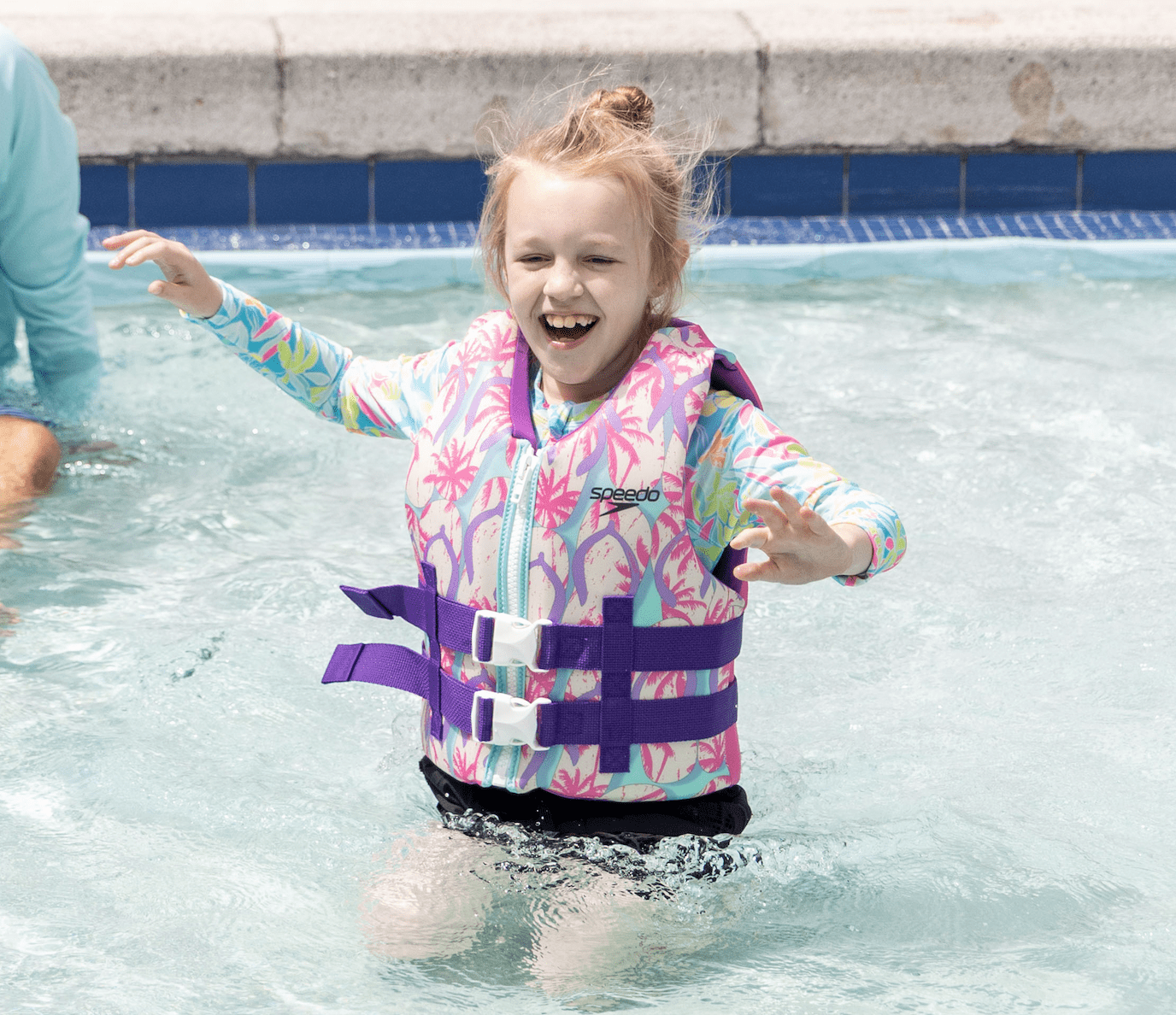
For many families, summer means more time around pools and beaches. Consistent conversations about water safety can help reinforce expectations and routines before situations arise.
“Regularly talk about water safety rules and expectations throughout the summer whenever you can,” says Elizabeth Reisinger, CTRS, Recreation Services Manager at Els for Autism. “Watching videos about swimming and safe water practices, reading books about water safety, and using consistent verbal and visual cues before and during the summer can help reinforce these important expectations.”
Adult supervision plays a critical role in helping prevent accidents and keeping everyone safe around water. Families should follow the ABCs of water safety: Adult Supervision, Barriers (locks on doors, fences around pools, etc.), and Classes, including swim lessons, water safety education, and CPR training for caregivers.
Ongoing preparation, supervision, and clear expectations throughout the summer can help promote safety and confidence around the water.
2. Prepare for Summer Sensory Changes
Summer introduces many new sensory experiences, from heat and humidity to sunscreen textures, loud outdoor spaces, wet clothing, and crowded environments.
Marissa Blankstein, Senior Manager of Behavior Services at Els for Autism, encourages families to proactively introduce these experiences before they become unavoidable during outings or vacations.
“A few small proactive steps can make a big difference,” she shares. “Practicing wearing sunscreen at home, building in predictable cool-down breaks, and identifying a quiet shaded space during outings can help support regulation.”
Families can also help children get comfortable with summer accessories like hats and sunglasses by incorporating them into dress-up play or wearing them around the house before outings. Lightweight clothing, seamless fabrics, and UV-protective rash guards may also help reduce discomfort while still protecting against the sun.
“A regulated nervous system is the foundation for learning, communication, and enjoying all the fun summer has to offer,” says Blankstein.
3. Maintain Predictable Routines When Possible
Summer schedules often look very different from the school year. Vacations, camps, late nights, and changes in daily structure can sometimes increase stress or anxiety for individuals who thrive on predictability.
Maintaining a few consistent routines throughout the summer can help create a sense of stability. Visual schedules, countdown calendars, and simple daily plans can help support understanding of new summer routines, prepare individuals for upcoming activities, and ease transitions throughout the day.
Even small routines, like consistent meal times, bedtime routines, or quiet breaks during the day, can help support regulation and reduce uncertainty during busy summer months.
4. Plan Ahead for Community Outings
Busy summer destinations like amusement parks, airports, beaches, festivals, restaurants, and community events can quickly become overstimulating.
Preparing ahead of time can help make outings more successful and reduce stress for both individuals and caregivers. Before heading out, families may find it helpful to review expectations, bring preferred comfort items or sensory supports, identify quiet break spaces, and allow extra transition time between activities.
Having a flexible exit plan can also help reduce pressure if an environment becomes too overwhelming. Sometimes knowing there is an option to take a break or leave early can make participation feel more manageable from the start.
5. Prioritize Rest, Hydration, and Regulation
Heat and dehydration can impact mood, attention, sensory regulation, and overall comfort. Supporting physical needs throughout the day can make summer activities more enjoyable and successful.
Frequent water breaks, shaded rest periods, cooling towels, and downtime between activities can help prevent exhaustion and sensory overload. Families can also encourage hydration in creative ways, such as offering popsicles, flavored waters, or fun reusable water bottles that make drinking water more appealing throughout the day. Choosing hydrating options over sugary juices can also help support energy and comfort in the heat.
It’s also important to recognize that sensory regulation may look different from day to day, especially during busy summer months.
Summer looks different for every family, and success does not have to mean packed schedules or perfectly planned days. With thoughtful preparation, flexibility, and the right supports in place, individuals with autism can safely and comfortably enjoy all the experiences summer has to offer, from pool days and vacations to community outings and time spent outdoors.