Mother’s Day is a time to recognize the many ways parents and caregivers of children with autism navigate a lifelong journey. Each stage of life can bring new challenges, new decisions, and new perspectives.
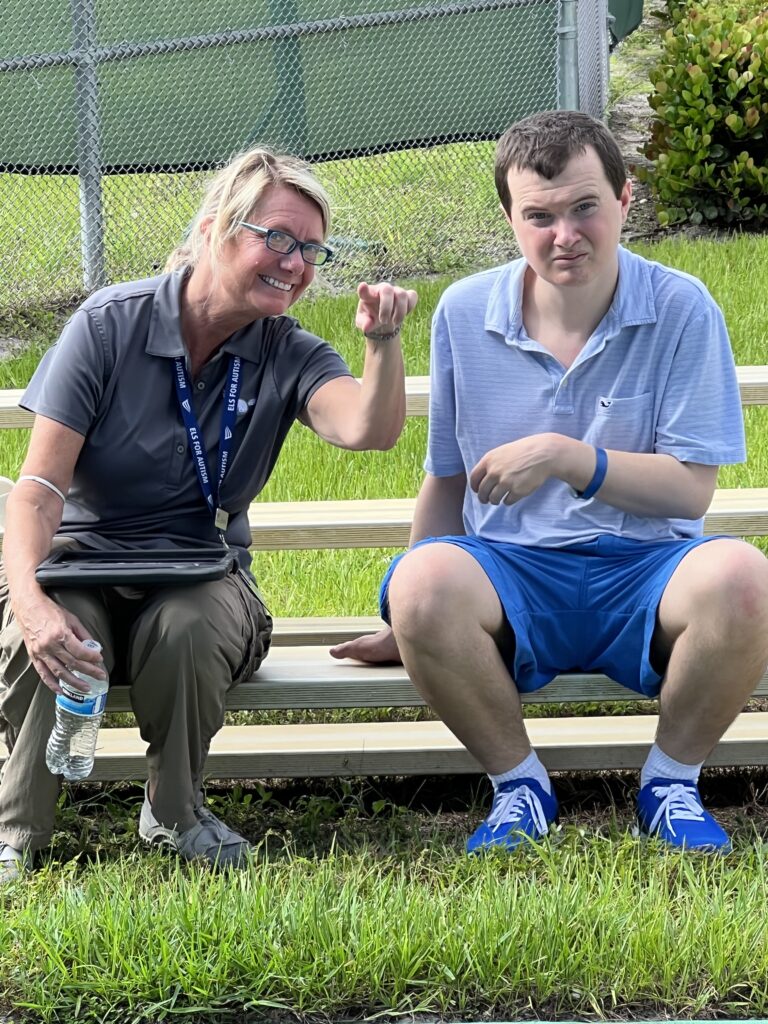
At Els for Autism, we support families through all stages of life, from early childhood through adulthood. Our board member, Pam Minelli, shares her family’s experience with these transitions in her book, The Kindness of Strangers: Letting Go of My Son with Autism. Her story reflects many of the moments families navigate over time and offers an example of how the caregiving role can evolve.
The Beginning: Facing the Unknown
For many families, the autism journey starts with questions: a missed milestone, a concern raised by a teacher or doctor, or a realization that something may be different with their child.
From there, things can move quickly. Families may begin evaluations, receive a diagnosis, and be introduced to a range of therapies and services. Parents and caregivers are often navigating unfamiliar systems while learning how to coordinate care and make informed decisions for their child.
In her book, Pam describes those early days as overwhelming but also motivating. Like many parents and caregivers, she and her husband focused on finding the right support for their son, Andrew, and understanding what would help him succeed.
Building a System of Support
After the initial period following a diagnosis, many families begin to establish routines and next steps.
Schedules may include therapies, school plans, and appointments. Parents and caregivers begin learning more about their child’s needs and, over time, may take on a greater role in identifying and advocating for resources and opportunities.
At the same time, many families build connections with others, including other parents and caregivers, professionals, and community members. These relationships can provide guidance and support. Structured programs can also play a role. For example, parent training programs like RUBI (Research Units in Behavioral Intervention) are designed to give parents and caregivers strategies to better understand behavior and support their child at home.
Pam’s experience reflects this shift. Over time, her involvement extended beyond her own family, working alongside others to help create opportunities for individuals with autism more broadly.
Support during this stage can come in many forms, both formal and informal, and often becomes an important part of how families move forward.
Planning for Adulthood
As children move into their teenage years and adulthood, the focus often begins to shift.
Parents and caregivers may start thinking about long-term plans, including education, employment, and living arrangements. These decisions can be complex and don’t always have clear answers.
There is often a balance between encouraging independence and ensuring the right level of support. At Els for Autism, this stage is a key focus, with programs designed to support teens and adults in building life skills, exploring employment pathways, and increasing independence over time.
This stage can feel uncertain, even after years of experience navigating services and systems. Over time, many families find their way forward by continuing to learn, adjust, and focus on what will best support their child in the long term.
Letting Go, While Staying Involved
One of the more complex transitions for some families is supporting a child’s move toward greater independence. This might include transitioning into a group home or another supported living environment. For parents and caregivers, this can bring a mix of emotions, including concern, hesitation, and adjustment.
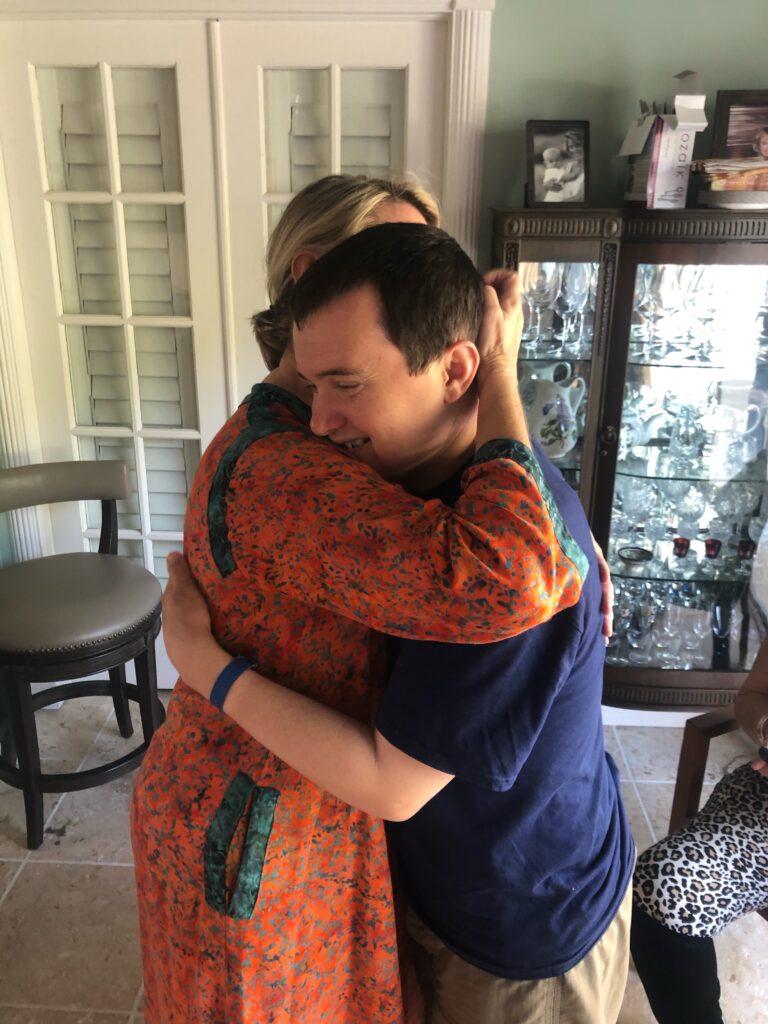
Pam shares this experience in her own journey. The decision to transition her son into a group home took time and careful consideration. Over time, she saw that this change allowed her son to grow in new ways, while she remained closely involved in his life.
For some families, this stage represents a shift in how caregiving looks. The role does not end, but it may change over time.
The Importance of Support
Across every stage, support matters.
Caregiving can be easier to navigate when families have access to resources, programs, and community. Whether it is early intervention, recreation programs, or adult services, consistent support can help make transitions more manageable.
Many families also point to the role of their community, including other parents and caregivers, professionals, educators, and neighbors. These connections can provide guidance, shared experiences, and practical help. In some cases, it is advice from another parent. In others, it is a professional helping navigate next steps or a community member offering support when it is needed. Els for Autism provides care coordination services, including individual and family counseling, to help guide families through these experiences and support their overall well-being.
Over time, these relationships can become an important part of how families make decisions, access resources, and move forward.
Recognizing Caregivers
There is no single path for families raising a child with autism. Each experience is different, and each stage brings its own set of decisions. What remains consistent is the role of parents and caregivers in supporting their children as they grow and develop.
This Mother’s Day, we recognize the parents and caregivers who take on that role every day. At Els for Autism, we are committed to supporting families across the lifespan, because while needs may change over time, the need for support remains.