A Capital Campaign for the RECREATION COMPLEX

Expanding recreation activities available at The Els Center of Excellence® campus.

Recreation Complex

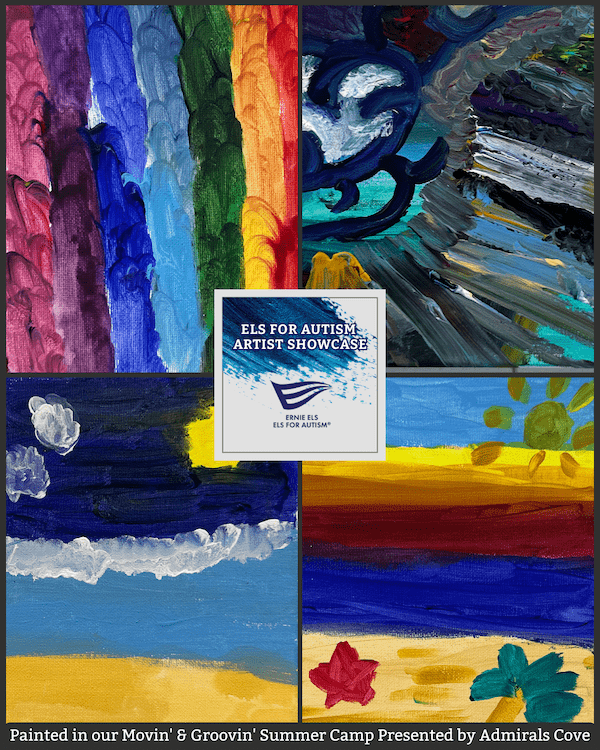
2025 Movin’ & Groovin’ Summer Campers

Our amazing young artists from the 2025 Movin’ & Groovin’ Summer Camp spent 2–3 days creating vibrant, beach-inspired artwork. Guided by our talented art instructor, Andrew Blitman, campers explored their creativity through a variety of projects and crafts all summer long.

Mika does commissions and sells original designs on her website scratchpoststudio.com

This particular week, they learned how to use the foreground and background to bring depth to their paintings. The campers had a blast and were excited to contribute their pieces to the Pavilion display for the foundation!

Recreation Services:

Participating in recreational activities is critically important for people with ASD and other developmental disabilities. Recreational activities and experiences foster feelings of achievement and enjoyment, and they promote inclusion, self-confidence, and an enhanced quality of life.

Our recreation programs include a variety of sports and the arts on our campus in addition to our virtual groups available online.

Expanding Access to Inclusive Sports for Individuals with Autism 

Sports have the power to build confidence, foster friendships, teach life skills, and create a sense of belonging. Yet for many individuals with autism, finding coaches and recreation programs equipped to support their unique needs can be a challenge. 

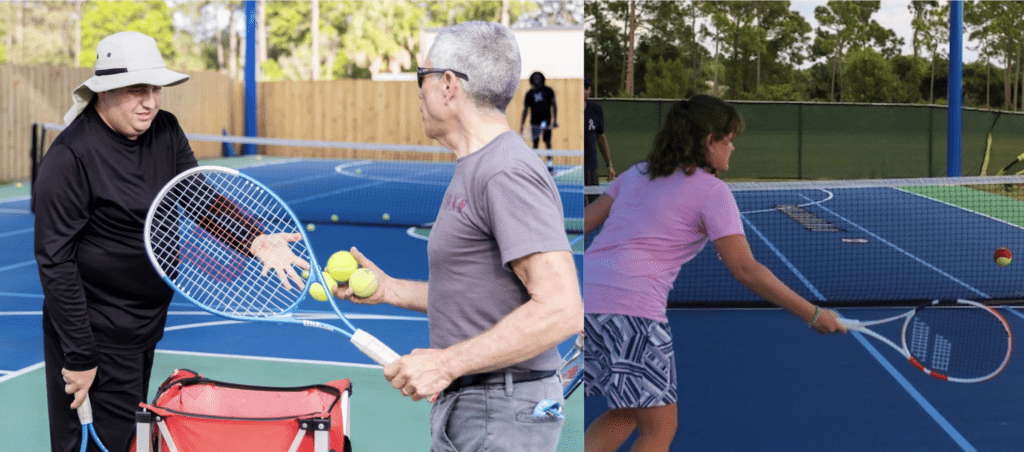
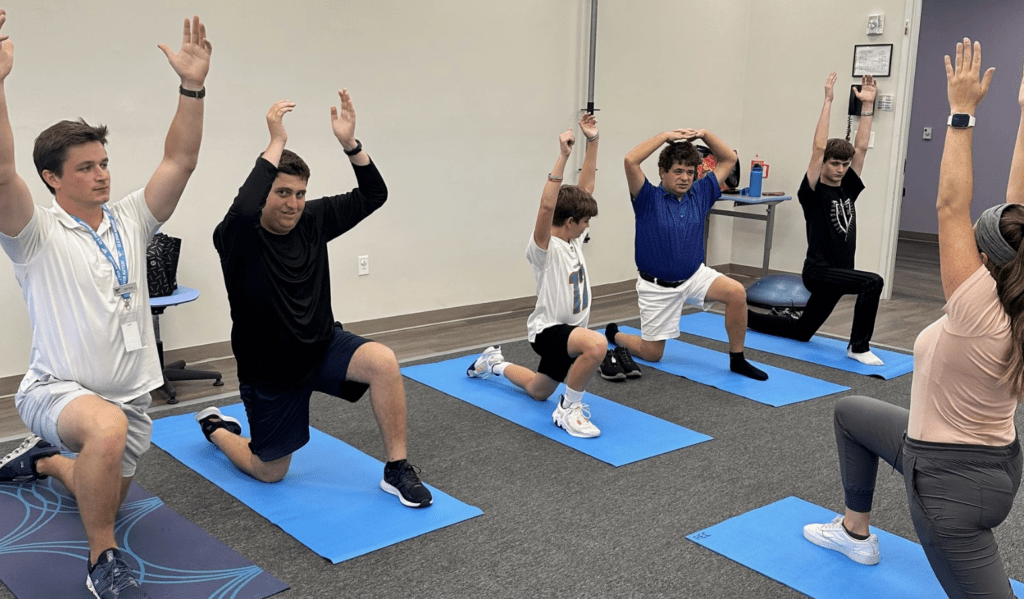
At Els for Autism®, we created the Ernie Els #GameON Autism® Sports Program, a series of research-based programs designed to make recreation more accessible for individuals with autism and other developmental disabilities. 

Through golf, tennis, fitness, and aquatics, participants with autism develop social, communication, and motor skills in a supportive environment while building confidence and connections with others. 

To expand access to these opportunities, Els for Autism also trains coaches, instructors, and recreation professionals through its Official Program Provider (OPP) network. OPPs receive specialized training and resources that help them deliver inclusive sports programming and better support individuals with autism. 

Research shows that recreation can serve as an effective supplemental therapy for individuals with autism, supporting physical health, social development, communication, and overall quality of life. However, many families still struggle to find instructors who feel equipped to meet their children’s needs. Ernie Els #GameON Autism Sports helps bridge that gap by equipping coaches and recreation professionals with practical tools, training, and evidence-based strategies to create more inclusive sports and recreation opportunities. 

As summer begins, one area of focus is especially timely: aquatics. 

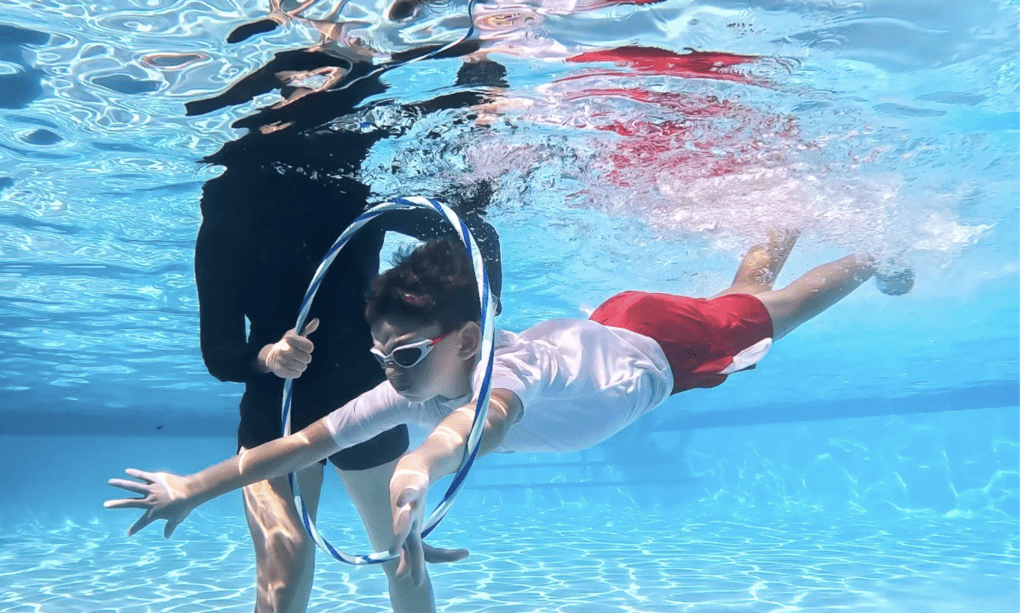
Water safety is a critical issue for the autism community. Drowning is the leading cause of death for children with autism, who are significantly more likely to drown than their neurotypical peers. For many families, access to swim lessons and water safety instruction is not simply a recreational opportunity; it is a necessity. 

Recognizing this need, Els for Autism continues to expand its offerings by adding aquatics to the Ernie Els #GameON Autism Sports Program. By training swim instructors in autism-friendly teaching methods, the program aims to increase access to inclusive swim instruction and water safety education for families worldwide. Els for Autism will also incorporate these evidence-based methods into programming at the Specialized Autism-Friendly Recreation Complex, a first-of-its-kind facility currently under construction at The Els Center of Excellence opening in spring 2027. 

Expanding access to inclusive recreation starts with training existing sport providers. To continue growing this impact, Els for Autism is actively recruiting coaches, swim instructors, tennis professionals, fitness trainers, recreation providers, and organizations to become Official Program Providers of the Ernie Els #GameON Autism Sports Program. 

Official Program Providers receive access to online training, evidence-based curriculum materials, implementation resources, and ongoing consultation from the Els for Autism team. With the right tools and support, recreation professionals can confidently welcome individuals with autism and related disabilities into their programs and create environments where every participant can succeed. 

Every coach, instructor, and recreation professional has the ability to make sports more inclusive. With the right training and support, they can help ensure that more individuals with autism have the opportunity to participate, connect, grow, and thrive. 

To learn more about becoming an Official Program Provider and our recreation services offerings, visit the Ernie Els #GameON Autism Sports webpage or contact sports@elsforautism.org

See how Andy turned hands-on training into meaningful employment in hospitality. 

5 Tips for Summer Success for Individuals with Autism  

Summer brings longer days, new routines, and more opportunities for outdoor fun. While the season can be exciting, it also introduces changes in structure, sensory experiences, and safety considerations for individuals with autism.

At Els for Autism®, we know that a little preparation can go a long way in helping families enjoy a safer, more successful summer. Here are five tips to help support sensory regulation, safety, and fun throughout the season. 

1. Keep Water Safety Conversations Ongoing 

For many families, summer means more time around pools and beaches. Consistent conversations about water safety can help reinforce expectations and routines before situations arise. 

“Regularly talk about water safety rules and expectations throughout the summer whenever you can,” says Elizabeth Reisinger, CTRS, Recreation Services Manager at Els for Autism. “Watching videos about swimming and safe water practices, reading books about water safety, and using consistent verbal and visual cues before and during the summer can help reinforce these important expectations.” 

Adult supervision plays a critical role in helping prevent accidents and keeping everyone safe around water. Families should follow the ABCs of water safety: Adult Supervision, Barriers (locks on doors, fences around pools, etc.), and Classes, including swim lessons, water safety education, and CPR training for caregivers. 

Ongoing preparation, supervision, and clear expectations throughout the summer can help promote safety and confidence around the water. 

2. Prepare for Summer Sensory Changes 

Summer introduces many new sensory experiences, from heat and humidity to sunscreen textures, loud outdoor spaces, wet clothing, and crowded environments. 

Marissa Blankstein, Senior Manager of Behavior Services at Els for Autism, encourages families to proactively introduce these experiences before they become unavoidable during outings or vacations. 

“A few small proactive steps can make a big difference,” she shares. “Practicing wearing sunscreen at home, building in predictable cool-down breaks, and identifying a quiet shaded space during outings can help support regulation.” 

Families can also help children get comfortable with summer accessories like hats and sunglasses by incorporating them into dress-up play or wearing them around the house before outings. Lightweight clothing, seamless fabrics, and UV-protective rash guards may also help reduce discomfort while still protecting against the sun. 

“A regulated nervous system is the foundation for learning, communication, and enjoying all the fun summer has to offer,” says Blankstein.  

3. Maintain Predictable Routines When Possible 

Summer schedules often look very different from the school year. Vacations, camps, late nights, and changes in daily structure can sometimes increase stress or anxiety for individuals who thrive on predictability. 

Maintaining a few consistent routines throughout the summer can help create a sense of stability. Visual schedules, countdown calendars, and simple daily plans can help support understanding of new summer routines, prepare individuals for upcoming activities, and ease transitions throughout the day. 

Even small routines, like consistent meal times, bedtime routines, or quiet breaks during the day, can help support regulation and reduce uncertainty during busy summer months. 

4. Plan Ahead for Community Outings 

Busy summer destinations like amusement parks, airports, beaches, festivals, restaurants, and community events can quickly become overstimulating. 

Preparing ahead of time can help make outings more successful and reduce stress for both individuals and caregivers. Before heading out, families may find it helpful to review expectations, bring preferred comfort items or sensory supports, identify quiet break spaces, and allow extra transition time between activities. 

Having a flexible exit plan can also help reduce pressure if an environment becomes too overwhelming. Sometimes knowing there is an option to take a break or leave early can make participation feel more manageable from the start. 

5. Prioritize Rest, Hydration, and Regulation 

Heat and dehydration can impact mood, attention, sensory regulation, and overall comfort. Supporting physical needs throughout the day can make summer activities more enjoyable and successful. 

Frequent water breaks, shaded rest periods, cooling towels, and downtime between activities can help prevent exhaustion and sensory overload. Families can also encourage hydration in creative ways, such as offering popsicles, flavored waters, or fun reusable water bottles that make drinking water more appealing throughout the day. Choosing hydrating options over sugary juices can also help support energy and comfort in the heat. 

It’s also important to recognize that sensory regulation may look different from day to day, especially during busy summer months. 

Summer looks different for every family, and success does not have to mean packed schedules or perfectly planned days. With thoughtful preparation, flexibility, and the right supports in place, individuals with autism can safely and comfortably enjoy all the experiences summer has to offer, from pool days and vacations to community outings and time spent outdoors. 

From work experience to real opportunity

Cade’s story shows what’s possible with your support.

The Caregiving Journey: Supporting Children with Autism at Every Stage

Mother’s Day is a time to recognize the many ways parents and caregivers of children with autism navigate a lifelong journey. Each stage of life can bring new challenges, new decisions, and new perspectives. 

At Els for Autism, we support families through all stages of life, from early childhood through adulthood. Our board member, Pam Minelli, shares her family’s experience with these transitions in her book, The Kindness of Strangers: Letting Go of My Son with Autism. Her story reflects many of the moments families navigate over time and offers an example of how the caregiving role can evolve. 

The Beginning: Facing the Unknown 

For many families, the autism journey starts with questions: a missed milestone, a concern raised by a teacher or doctor, or a realization that something may be different with their child. 

From there, things can move quickly. Families may begin evaluations, receive a diagnosis, and be introduced to a range of therapies and services. Parents and caregivers are often navigating unfamiliar systems while learning how to coordinate care and make informed decisions for their child. 

In her book, Pam describes those early days as overwhelming but also motivating. Like many parents and caregivers, she and her husband focused on finding the right support for their son, Andrew, and understanding what would help him succeed. 

Building a System of Support 

After the initial period following a diagnosis, many families begin to establish routines and next steps. 

Schedules may include therapies, school plans, and appointments. Parents and caregivers begin learning more about their child’s needs and, over time, may take on a greater role in identifying and advocating for resources and opportunities. 

At the same time, many families build connections with others, including other parents and caregivers, professionals, and community members. These relationships can provide guidance and support. Structured programs can also play a role. For example, parent training programs like RUBI (Research Units in Behavioral Intervention) are designed to give parents and caregivers strategies to better understand behavior and support their child at home. 

Pam’s experience reflects this shift. Over time, her involvement extended beyond her own family, working alongside others to help create opportunities for individuals with autism more broadly. 

Support during this stage can come in many forms, both formal and informal, and often becomes an important part of how families move forward. 

Planning for Adulthood 

As children move into their teenage years and adulthood, the focus often begins to shift. 

Parents and caregivers may start thinking about long-term plans, including education, employment, and living arrangements. These decisions can be complex and don’t always have clear answers. 

There is often a balance between encouraging independence and ensuring the right level of support. At Els for Autism, this stage is a key focus, with programs designed to support teens and adults in building life skills, exploring employment pathways, and increasing independence over time. 

This stage can feel uncertain, even after years of experience navigating services and systems. Over time, many families find their way forward by continuing to learn, adjust, and focus on what will best support their child in the long term. 

Letting Go, While Staying Involved 

One of the more complex transitions for some families is supporting a child’s move toward greater independence. This might include transitioning into a group home or another supported living environment. For parents and caregivers, this can bring a mix of emotions, including concern, hesitation, and adjustment. 

Pam shares this experience in her own journey. The decision to transition her son into a group home took time and careful consideration. Over time, she saw that this change allowed her son to grow in new ways, while she remained closely involved in his life. 

For some families, this stage represents a shift in how caregiving looks. The role does not end, but it may change over time. 

The Importance of Support 

Across every stage, support matters. 

Caregiving can be easier to navigate when families have access to resources, programs, and community. Whether it is early intervention, recreation programs, or adult services, consistent support can help make transitions more manageable. 

Many families also point to the role of their community, including other parents and caregivers, professionals, educators, and neighbors. These connections can provide guidance, shared experiences, and practical help. In some cases, it is advice from another parent. In others, it is a professional helping navigate next steps or a community member offering support when it is needed. Els for Autism provides care coordination services, including individual and family counseling, to help guide families through these experiences and support their overall well-being. 

Over time, these relationships can become an important part of how families make decisions, access resources, and move forward. 

Recognizing Caregivers 

There is no single path for families raising a child with autism. Each experience is different, and each stage brings its own set of decisions. What remains consistent is the role of parents and caregivers in supporting their children as they grow and develop. 

This Mother’s Day, we recognize the parents and caregivers who take on that role every day. At Els for Autism, we are committed to supporting families across the lifespan, because while needs may change over time, the need for support remains. 

World Autism Month: The Global Impact of Els for Autism

Autism affects individuals and families across every race, culture, and socioeconomic background around the world. At Els for Autism, we are devoted to helping children and adults with autism and their families have a better life. Our purpose is to help people with autism of all abilities and backgrounds reach their fullest potential and live meaningful, fulfilling lives, no matter where they live. 

While many know our central hub as The Els Center of Excellence® in Jupiter, Florida, our impact extends far beyond South Florida. This April, World Autism Month, we are proud to share more about our global organizations and the communities they serve.

Today, our reach spans 38 countries, along with dedicated foundations in the USA, Canada, South Africa, and the United Kingdom. Together, we are building a global network focused on expanding access to services, increasing acceptance, and creating opportunities for individuals with autism to be fully included in their communities. 

Each of our international foundations serves its local community while advancing one shared goal: helping individuals with autism live positive, productive, and fulfilling lives.

Els for Autism Canada

Established in 2013, Els for Autism Canada was created to address the needs of individuals with autism and their families across the country.

Through annual Golf Challenge events held nationwide, funds raised stay local. Proceeds are distributed through a structured granting process to registered Canadian charities, directly supporting families in the communities where the events take place.

Since its inception, Els for Autism Canada has hosted 54 events, raised $6.3 million, and granted $3 million to local autism organizations. In 2025 alone, five events generated $475,000, with $275,000 directed toward local grant funding.

Grant support has helped fund recreation and fitness programs, music therapy, summer camps, transition-to-adulthood services, digital arts programs for teens, and community education initiatives.

Beyond grant-making, Els for Autism Canada also supports Ernie Els #GameON Autism® golf clinics in four provinces and U Can Employ™, a social enterprise that helps businesses successfully hire and support employees with autism.

By keeping funds local and investing in community partnerships, Els for Autism Canada continues to create meaningful and lasting impact nationwide.

Els for Autism South Africa

Founded in 2011, Els for Autism South Africa was established to provide lower-resourced families with access to effective autism support at no cost. Parents visit the center once or twice per month to learn practical strategies they can implement at home, building skills that create long-term impact.

Services include short-term parent coaching, longer-term parent-led intervention, and caregiver support groups. They also provide direct training and consultations for educations and other professionals working with people with autism. In addition, Ernie Els #GameON Autism Golf Clinics are hosted for individuals ages 6 to 23, using sport to promote life skills development, social interaction, and healthy living. The organization also runs Ernie Els #GameON Autism Tennis and Fitness programs.

By equipping families with knowledge, tools, and confidence, Els for Autism South Africa is creating sustainable change and expanding opportunity for children and young adults on the spectrum.

Els for Autism United Kingdom

Els for Autism United Kingdom was established in 2011 to support organizations that provide services to individuals with autism across the UK and Ireland.

Through fundraising efforts and strategic partnerships, the foundation helps expand access to programs that make a meaningful difference for families. A primary focus has been supporting the Ernie Els #GameON Autism Golf program through Official Program Providers in England and Ireland.

The Golf Trust, the leading Official Program Provider in the UK, has delivered the 12-week golf program for multiple years, reaching thousands of participants. Furthermore, they have trained a multitude of golf instructors in implementing the program across England. The program includes pre- and post-assessments measuring fitness, golf skills, and social communication development, with participants demonstrating measurable improvement across multiple areas.

In Ireland, the program has been delivered in partnership with academic and community institutions, further strengthening its reach and credibility. Recognition from national sport inclusion organizations has highlighted the impact of this work in creating accessible recreational opportunities for individuals with autism.

One Mission. Global Impact.

While each foundation serves a unique community, all are connected by a shared vision: a world where individuals with autism have access to the support and opportunities they need to thrive.

This World Autism Month, we celebrate the global community that makes this work possible.